
+86 133 4263 0495
+86 133 4263 0495

Pneumatic conveying system plays a key role in cement production, which is mainly used in raw material conveying, pulverized coal conveying, clinker conveying and other links in cement production line. The following is Pneumatic conveying system Application in cement production:
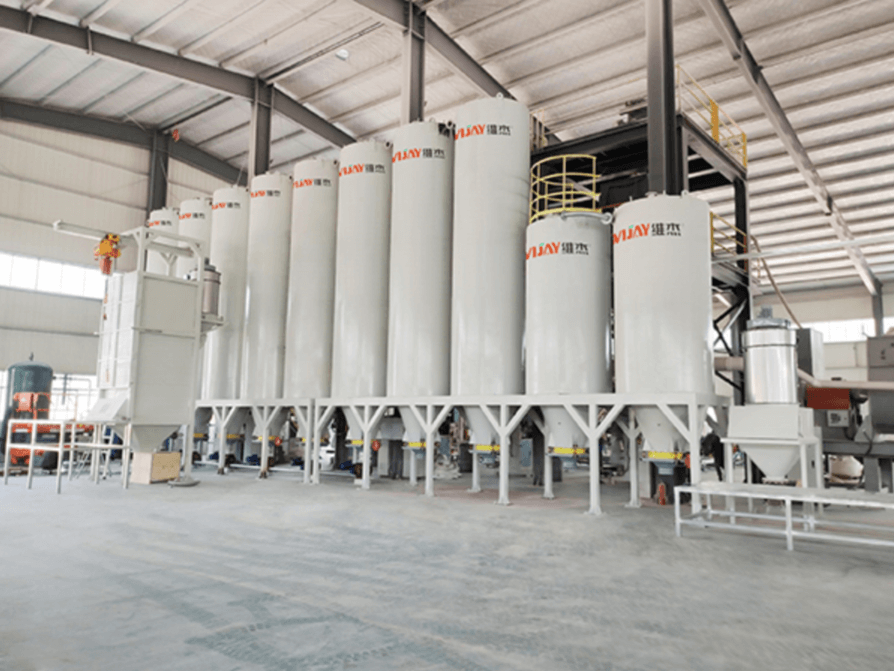
1, raw material transportation: cement production line needs to transport a variety of raw materials, such as limestone, clay, iron ore and so on. Through the pneumatic conveying system, these raw materials can be transported from storage warehouses or open storage yards to crushing equipment or mixing equipment to achieve continuous supply of raw materials and improve production efficiency.
2, pulverized coal transportation: the cement production process needs to use pulverized coal as fuel, and the stability of pulverized coal transportation is crucial to the operation of the production line. The pneumatic conveying system can transport pulverized coal from the coal mill to the combustion equipment, ensuring the stability and efficiency of the combustion process.
3, clinker transport: cement clinker is an important intermediate in cement production, need to be transported from the rotary kiln to the cooling equipment or storage warehouse. Pneumatic conveying system can realize continuous conveying of clinker and ensure stable operation of production line.
In addition to the transportation of raw materials, pulverized coal and clinker in cement production, pneumatic conveying systems can also play a role in other important applications, including exhaust gas treatment and ash treatment of dust removal equipment.
1, waste gas treatment: in the cement production process, will produce a lot of waste gas, including high temperature waste gas, organic waste gas and sulfur dioxide and other harmful gases. This waste gas needs to be treated to meet environmental regulations. Pneumatic conveying systems can be used to transport waste gas from the production line to waste gas treatment equipment, such as dust collectors, desulfurization equipment, etc., for purification and treatment.
2, dust removal equipment ash treatment: in the cement production process, dust removal equipment is used to capture the dust and particulate matter generated in the production process to prevent it from entering the atmosphere and causing pollution. The captured dust needs to be cleaned and disposed of regularly. The pneumatic conveying system can be used to transport the dust collected by the dust removal equipment to the ash storage or ash disposal site to achieve an automated waste disposal process.
Pneumatic conveying The application of the system in the waste gas treatment and dust removal equipment in cement production not only improves the environmental performance of the production line, reduces the pollution to the environment, but also improves the production efficiency and operation stability. Through reasonable design and operation of pneumatic conveying system, the dual goals of environmental protection and efficient operation in cement production process can be achieved.
In the grain processing industry, pneumatic conveying system is an important material conveying method, which is widely used in the process of grain storage, cleaning, drying, grinding and so on. Compared with traditional mechanical conveying methods, pneumatic conveying systems have the following advantages
Pneumatic conveying system plays a key role in cement production, which is mainly used in raw material conveying, pulverized coal conveying, clinker conveying and other links in cement production line. The following is the application of pneumatic conveying system in cement production
The Central feeding system is a modern feeding solution that provides efficient and accurate material supply for a variety of industrial and commercial sectors. The system is composed of centralized control unit, conveying equipment and distribution mechanism, which can realize automatic and intelligent material supply management. The advantages and applications of the central feeding system are described below.
As a modern material supply solution, the central feeding system not only offers advantages in terms of increased efficiency and accuracy, but also makes a positive contribution to the environment and sustainable development. The important role of central feeding systems in environmental protection and sustainable development is described below.
Founded in 1926, Garton is one of the largest and most advanced food enterprises in Hong Kong at that time. Garton's main production facilities are located in Hong Kong and mainland China, producing food products including bread, biscuits, cakes, confectionery, etc. Since the 1980s, Garton has been actively developing the Chinese market.

Carmen Kuang